Our Services

Evolution of the
Dhivehi Passport

From the Maldivian Pass to a fully digital travel document

Home Border Visa & Enforcement Evolution

The Maldivian passport has evolved from a simple travel pass for trade with Ceylon into one of the most secure and highly ranked travel documents in the region. This is the story of the Dhivehi passport, decade by decade.

1975

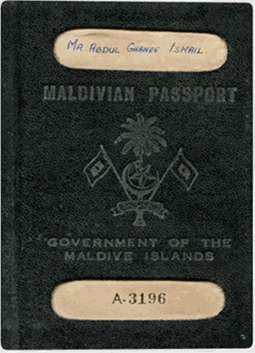
First “A” Series Issue

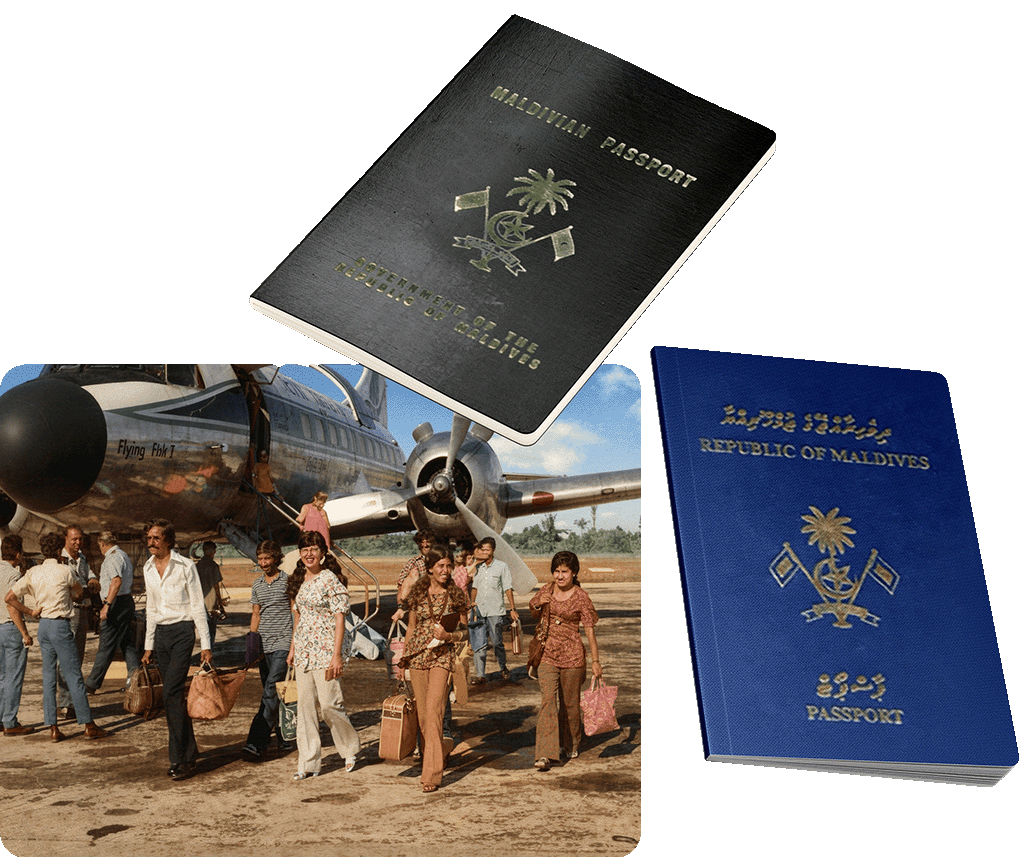
The first A Series passport and 1970s travellers

1975 — Maldivians returning from Mysore, India, after training. Photo by Mohamed Muizz Adnan.

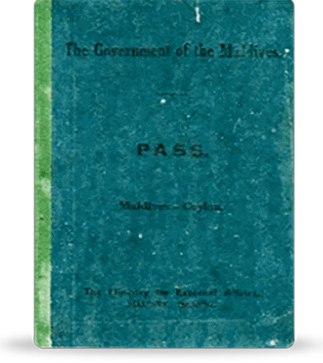
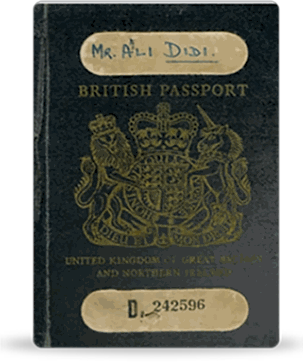
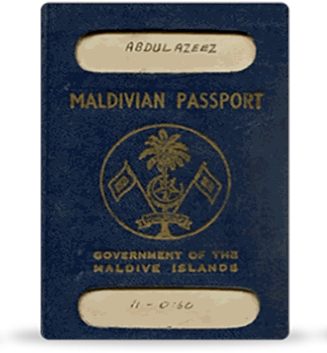
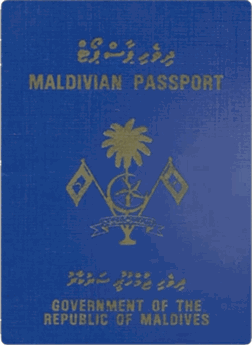
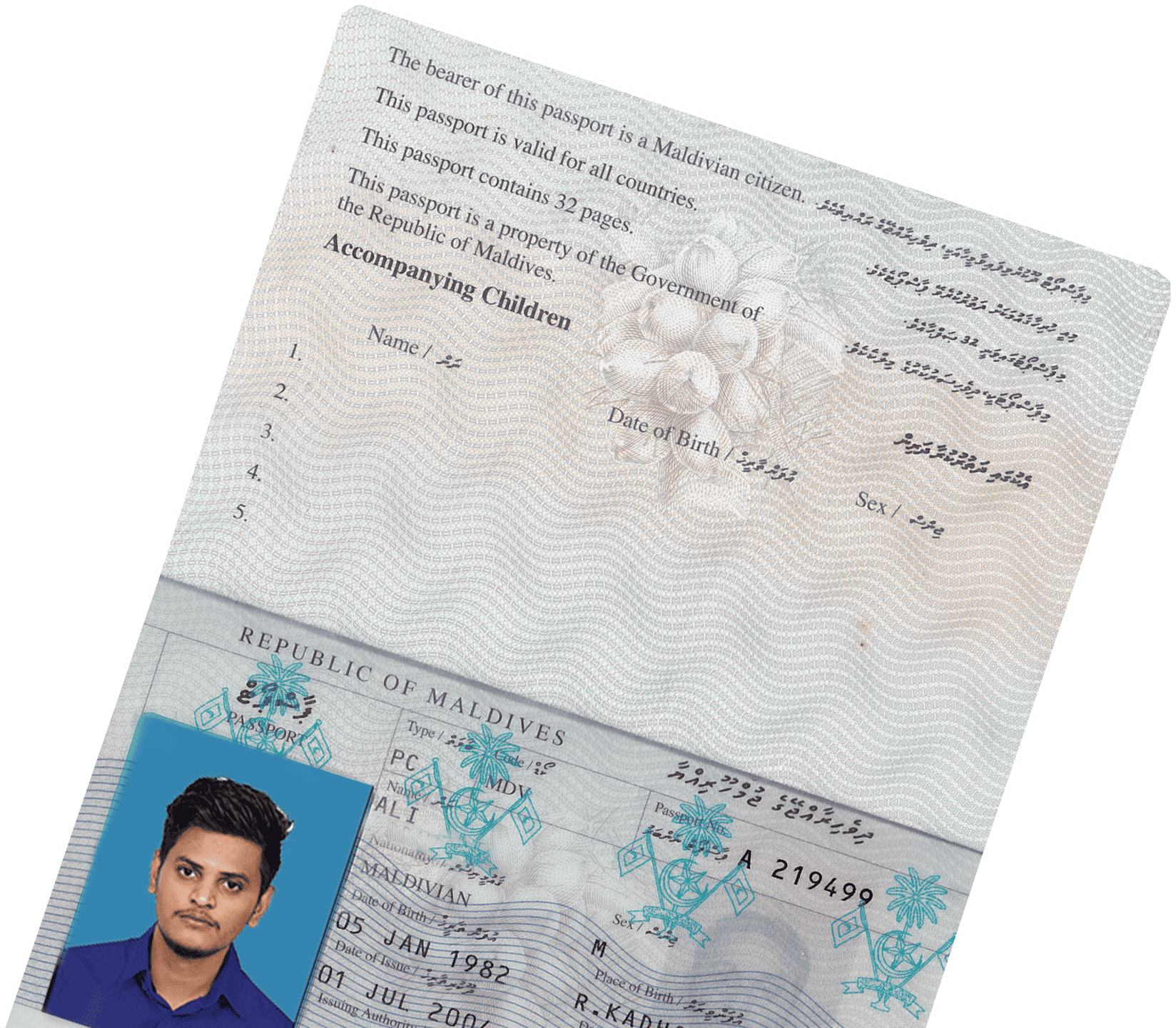
In 1975, the Passport Office introduced the first “A” Series passport, marking a shift to a standardized national travel document after independence. This 32-page passport aligned with international formats and established the “A” prefix used for decades, replacing the earlier “British Passport” and “Maldivian Pass” documents.
2003

Early Standardization

Standardized A Series passport

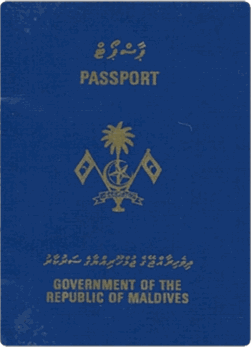
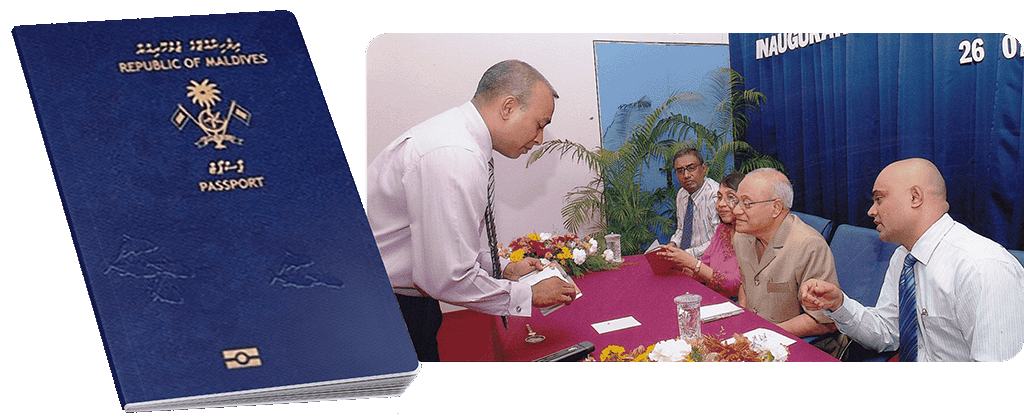
In 2003, the Department issued the 4th Issue of the “A” Series passport — a 32-page international travel document that served as the national standard until the introduction of electronic passports in 2007.

2007

Introduction of the Electronic Passport

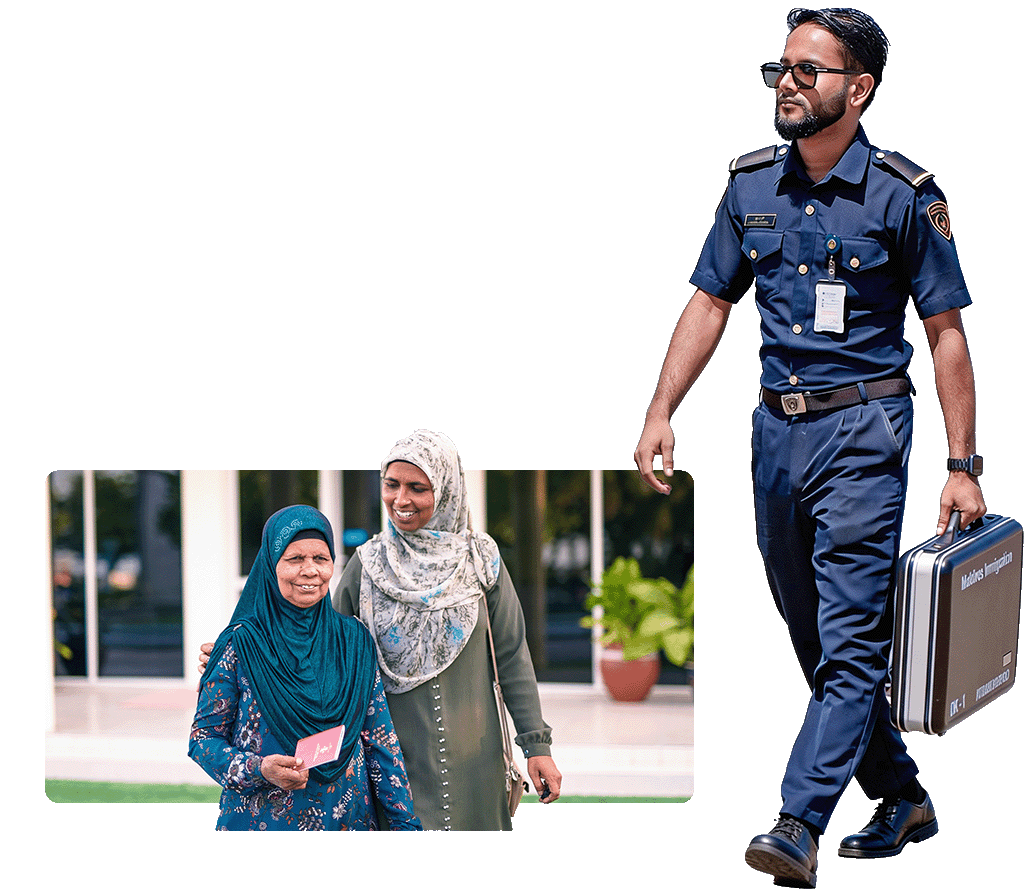
An immigration officer processing an electronic passport

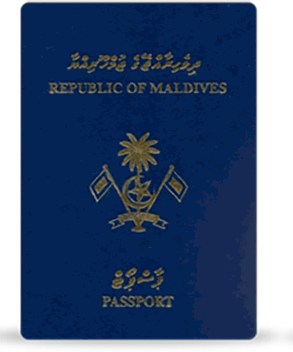
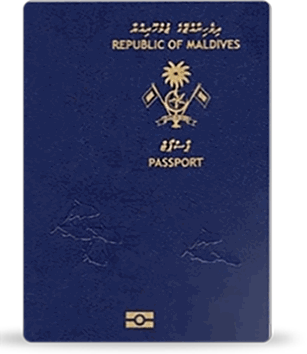
The introduction of the Maldivian electronic passport on 26 July 2007 marked a major milestone in national travel security and international standards.

  • Launched on the 42nd Independence Day.
  • First in the SAARC region to introduce biometric passport technology.
  • Featured an embedded microprocessor chip storing biometric identity data.
  • A step toward secure, modern, globally compliant travel documentation.

2016

Second Generation Electronic Passport

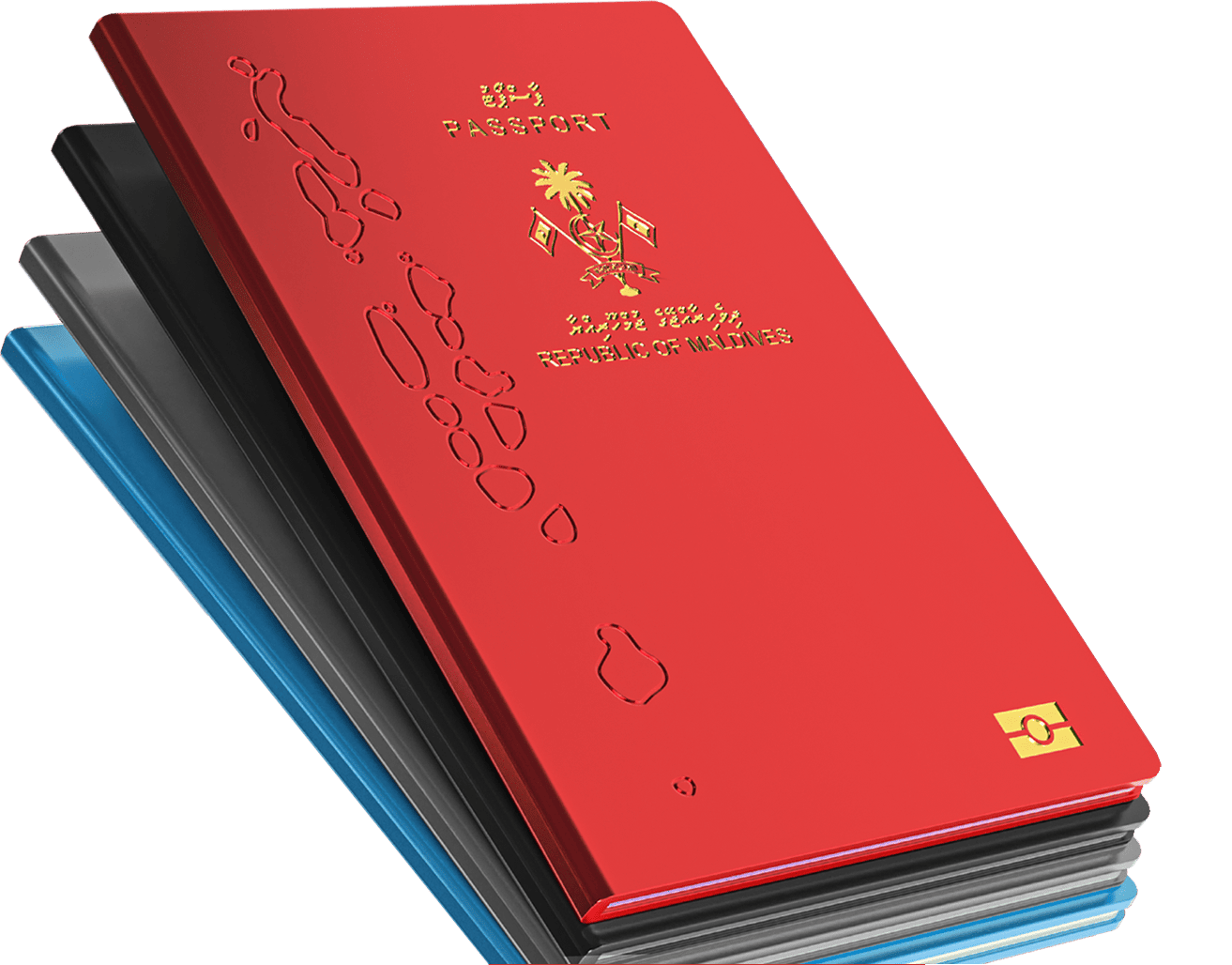
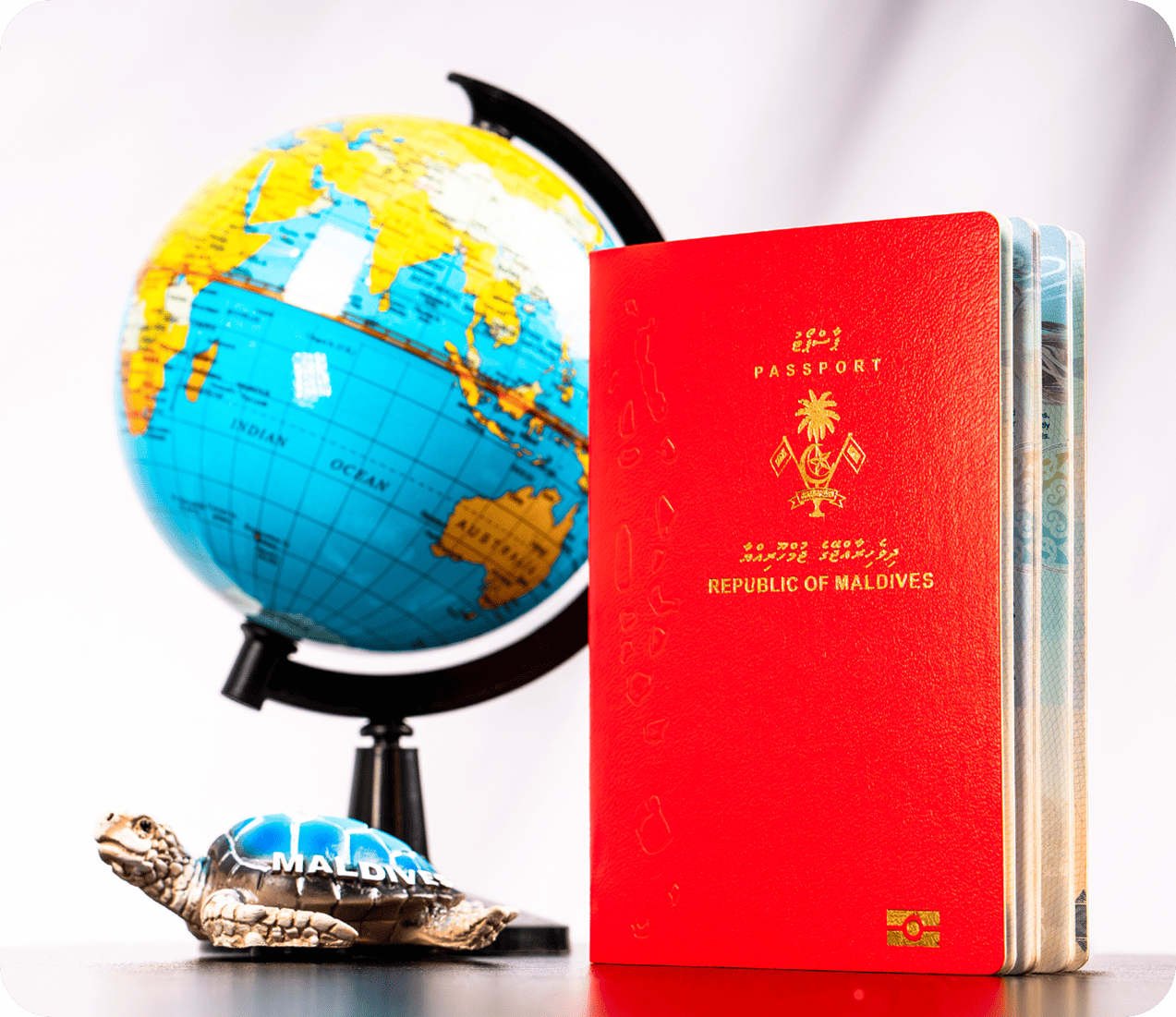
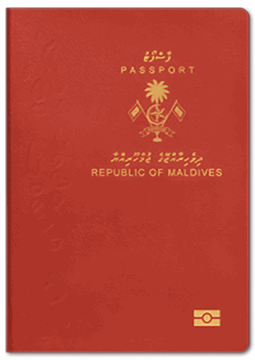
The second generation red electronic passport

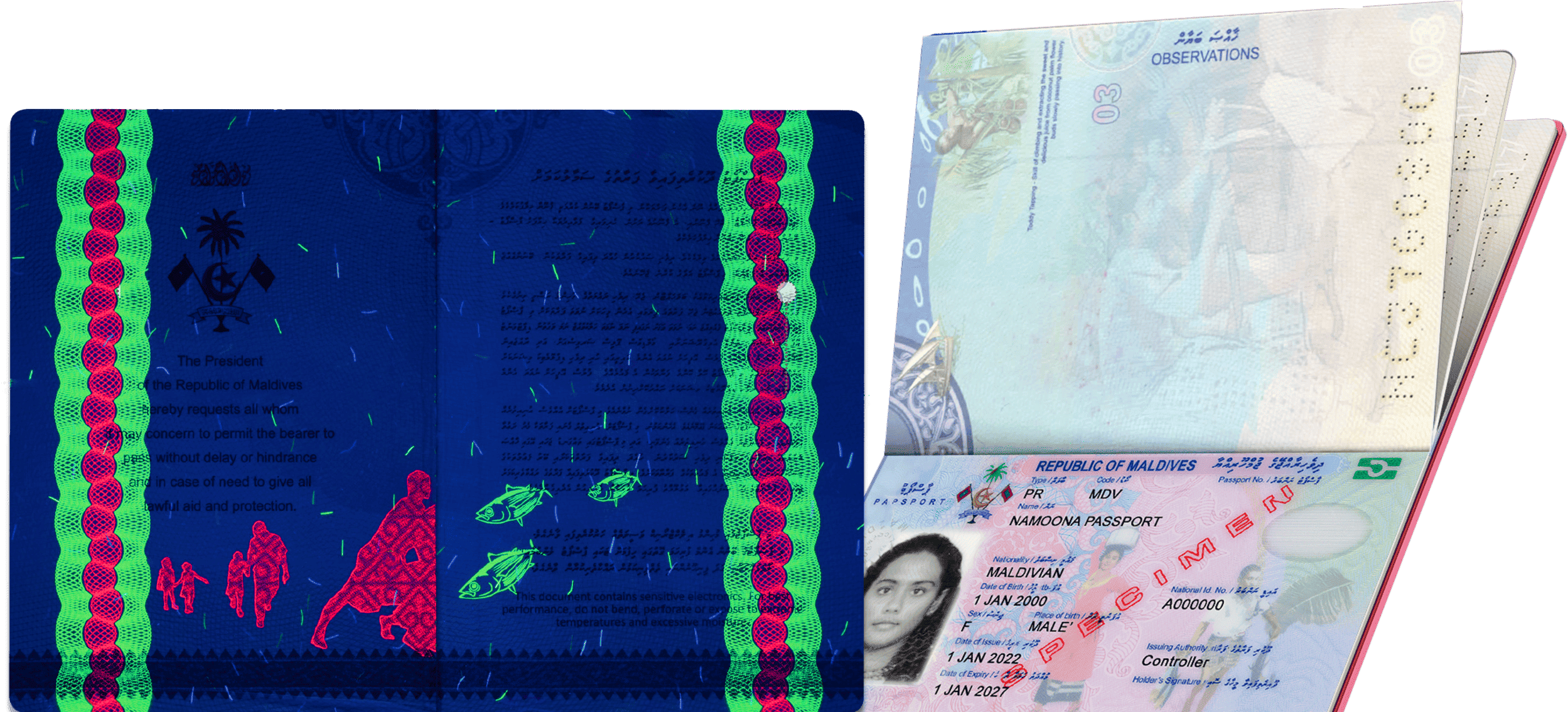
Introduced on 24 January 2016 with a polycarbonate data page and laser-engraved personal data, the passport continued to evolve in line with international security and technology standards.

Security features and illustrated visa pages
  • Enhanced security features including 34 distinct security elements.
  • Visa pages illustrated by Maldivian artist Hussain Ali Manik, reflecting national culture and natural beauty.
  • Enabled automated e-Gate clearance through biometric integration.
  • Compliant with ICAO standards, ensuring global interoperability.

2017

Passport Card Innovation

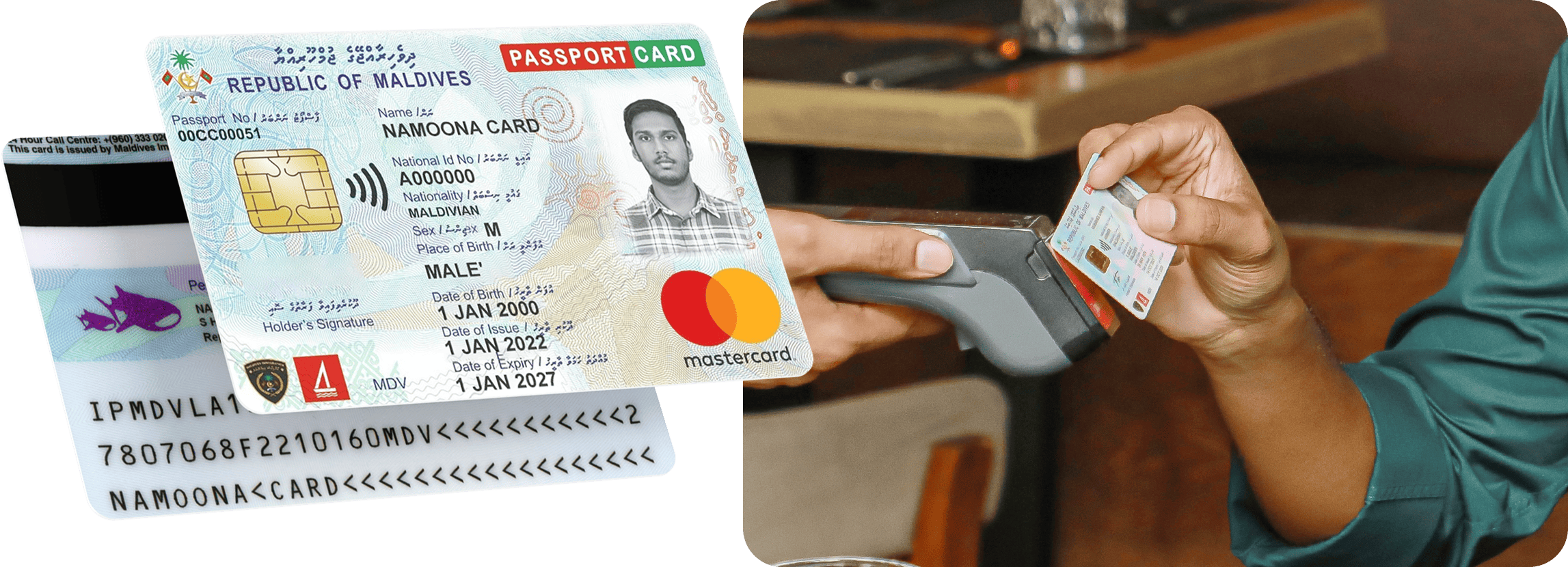
The Maldives Passport Card

Launched on 11 October 2017, the Maldives Passport Card introduced a multi-functional identity and travel solution.

  • At the time of launch, it was recognized as the world's first polycarbonate card functioning as both a passport and a national identity document.
  • Equipped with fingerprint-based biometric security for e-Gate use within the Maldives.
  • Designed as an integrated platform for identification, banking, and everyday services.

2020

Digital Transformation of Passport Services

The IMUGA digital platform

Following the pandemic, passport services shifted to a fully digital system through the IMUGA platform, reflecting a broader move toward online public services and reduced in-person interactions.

  • Paper-based applications were eliminated, enabling fully online processing.
  • All applications are submitted digitally via IMUGA.
  • Services are continuously available following system upgrades.
  • Mobile submission introduced, removing the need for printed photos or signatures.

2025

Decentralization of Passport Services

Passport services brought closer to citizens across the atolls

Completed on 7 October 2025 with the establishment of the final service center in ADh. Mahibadhoo, passport services were fully decentralized across all atolls.

  • A national commitment to bring essential services closer to citizens.
  • Nationwide access through atoll-based service centers.
  • Local collection options available via IMUGA.
  • Reduced travel costs and improved accessibility for citizens.
The Maldivian passport, ranked strongest in South Asia

South Asia's Strongest Passport

Since 2020, the Maldives passport has consistently ranked as the strongest in South Asia, reflecting sustained progress in international mobility and diplomatic relations.